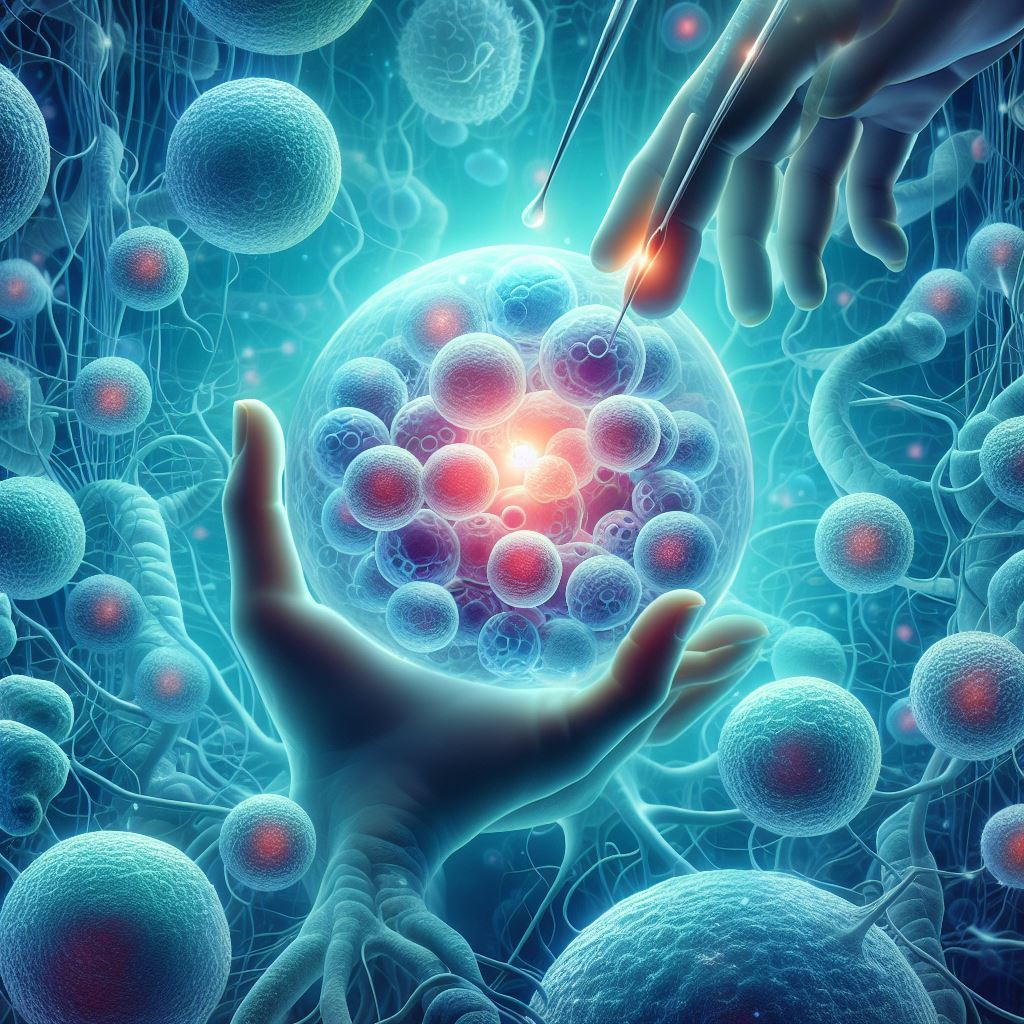
Stem cells are fundamental to understanding and harnessing the body’s regenerative capabilities. As the precursors to every cell type in the body, stem cells possess the remarkable potential to develop into diverse cell types in specific organs. This unique property not only provides a foundation for normal growth and development but also for healing and recovery from injuries.
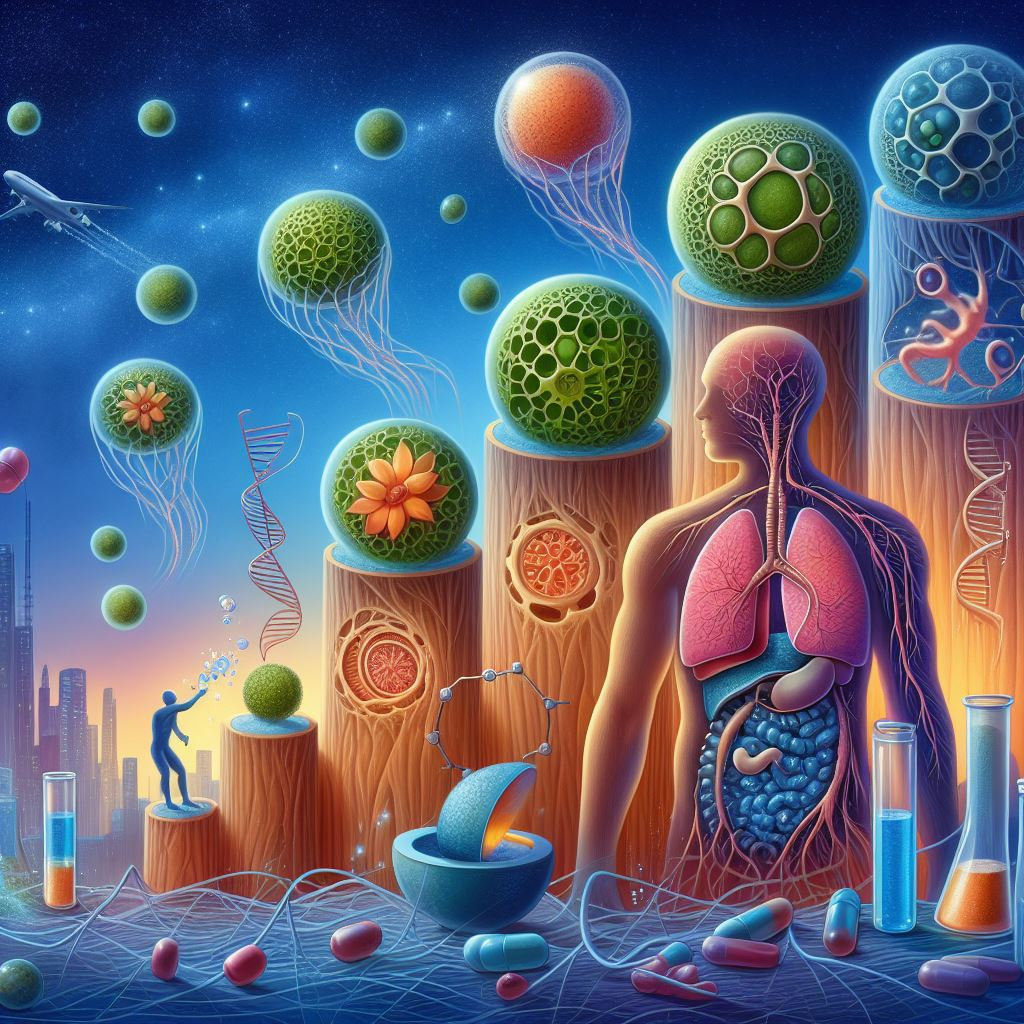
The Unique Properties of Stem Cells
At their core, stem cells are characterized by two critical abilities:
- Self-renewal: They can divide and replicate themselves for long periods.
- Differentiation: They can transform into the specific types of cells needed throughout the body.
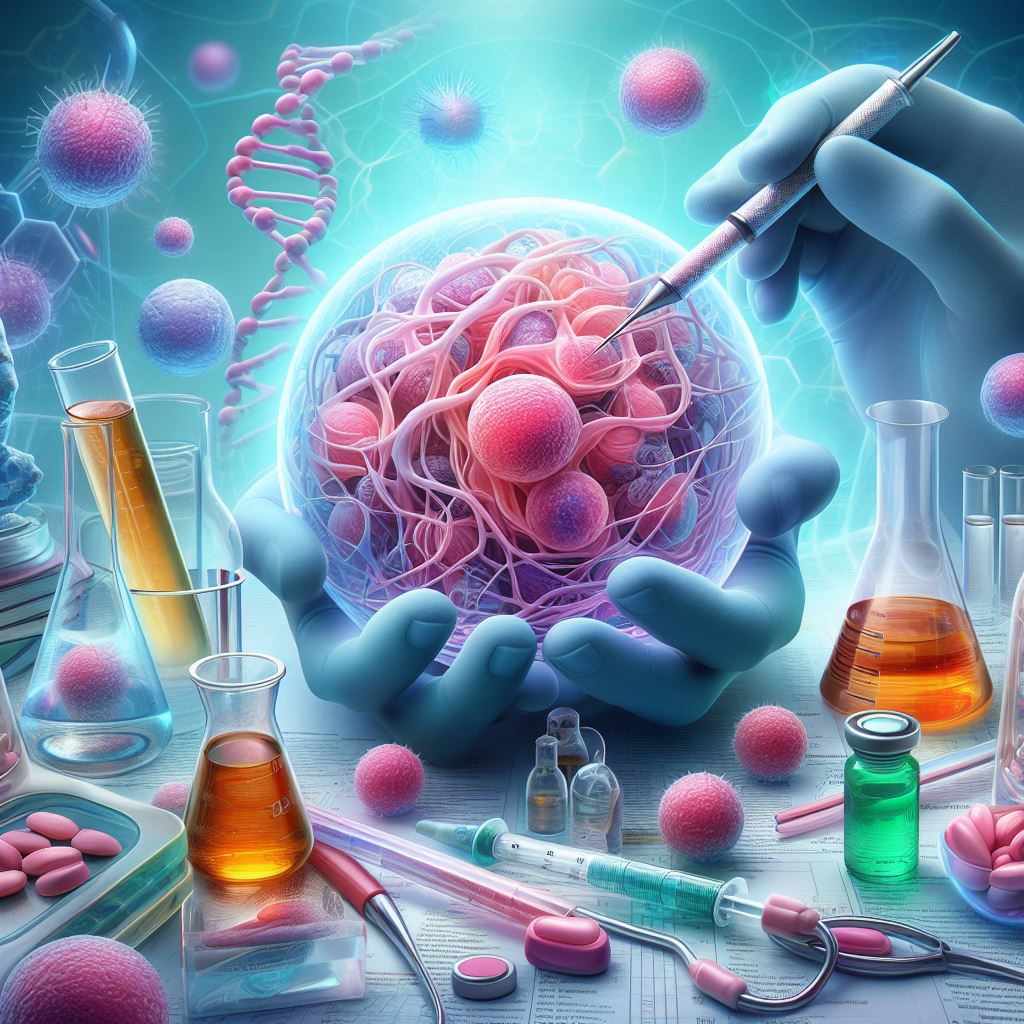
These properties allow stem cells to play an indispensable role in the body’s healing process, replacing cells that are lost daily through wear and tear, injury, or disease.
Medical and Therapeutic Applications
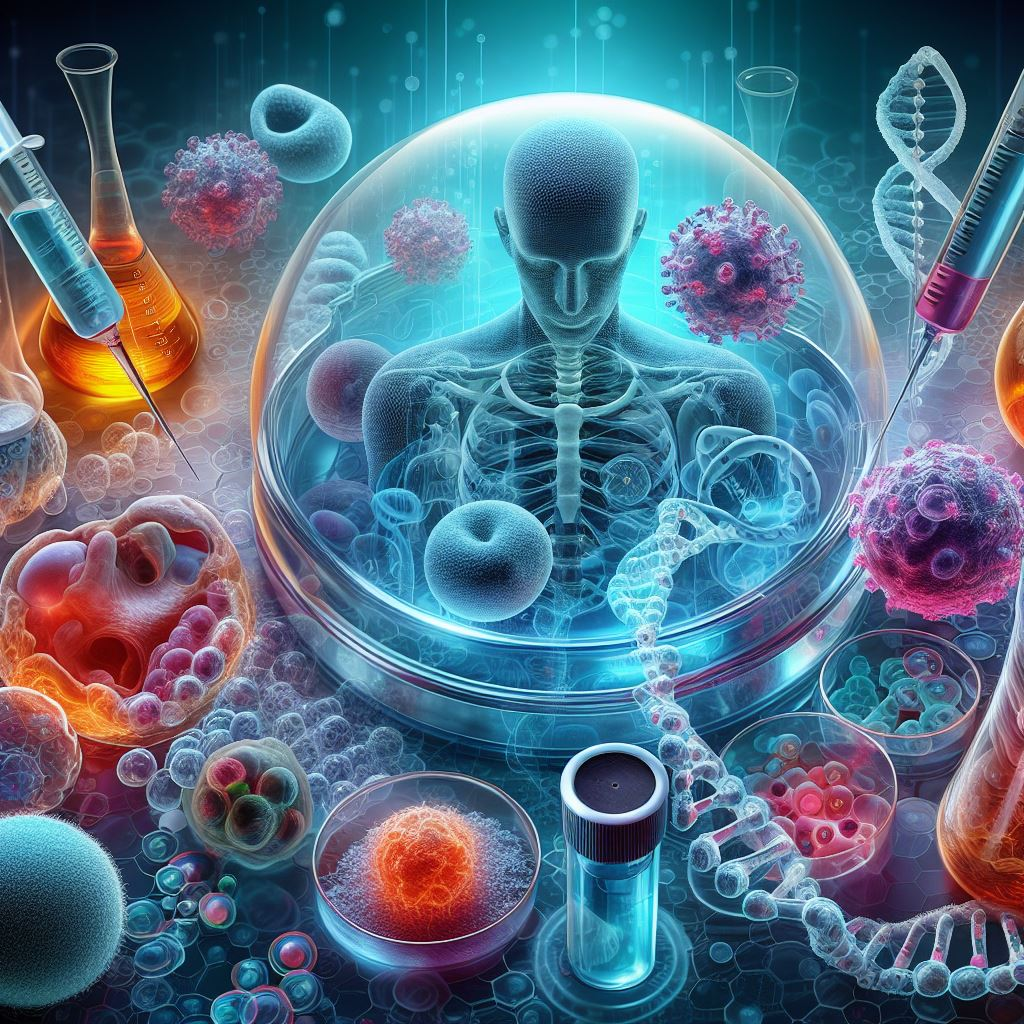
The practical applications of stem cells are vast and varied:
- Regenerative Medicine: By stimulating the growth of new tissue, stem cells can potentially heal wounds, repair heart tissue after a heart attack, or replace damaged organs.
- Disease Modeling and Research: Researchers use stem cells to study disease mechanisms and to test new treatments, providing a more accurate and ethical approach compared to traditional animal testing.
- Cancer Treatments: Understanding the behavior of stem cells contributes to cancer research, particularly in identifying how cancer cells propagate and invade other tissues.
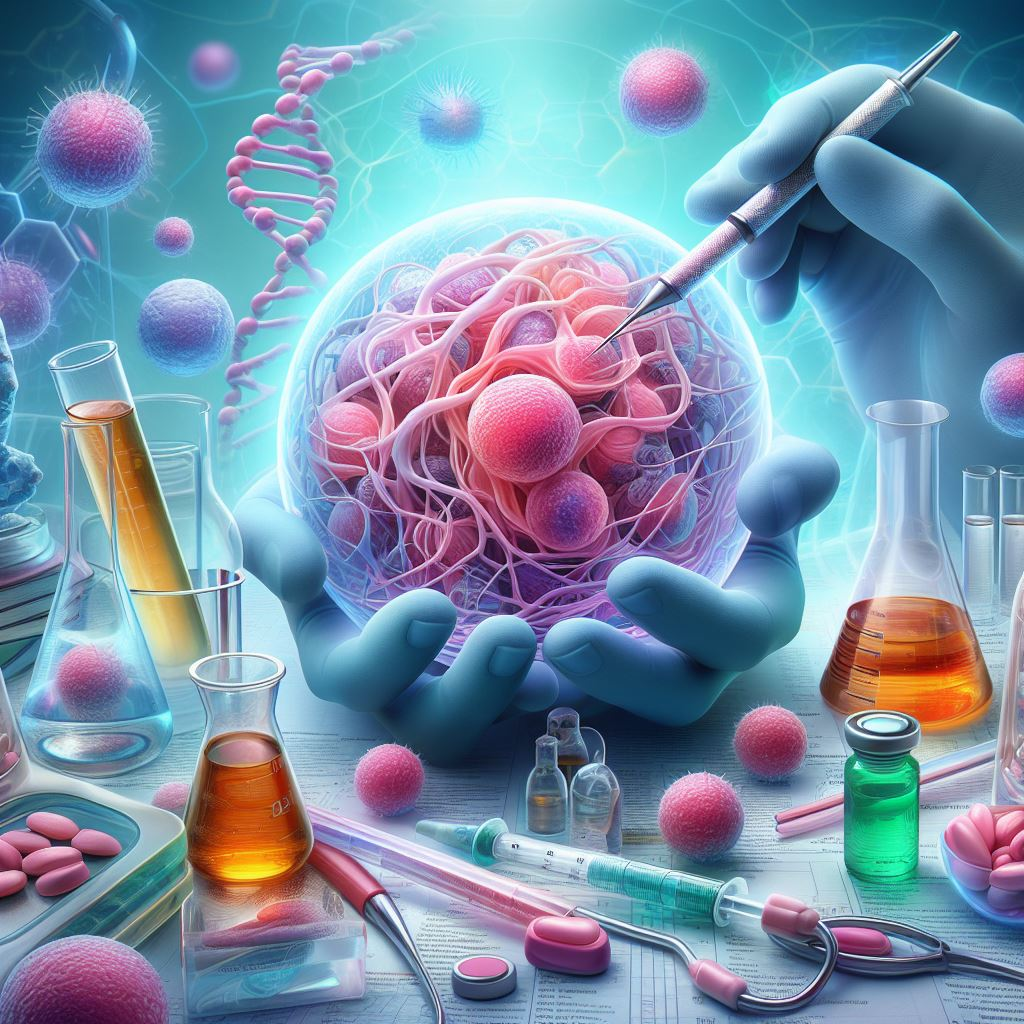
Why Stem Cells Are a Pillar of Modern Medicine
The importance of stem cells extends beyond their medical applications. They represent hope for many who suffer from conditions that are currently incurable. Diseases such as Parkinson’s, Alzheimer’s, and diabetes, which have eluded traditional medical solutions, may become manageable as stem cell research advances. Moreover, the use of adult stem cells and induced pluripotent stem cells sidesteps many of the ethical concerns associated with embryonic stem cells, widening the public and scientific community’s acceptance.
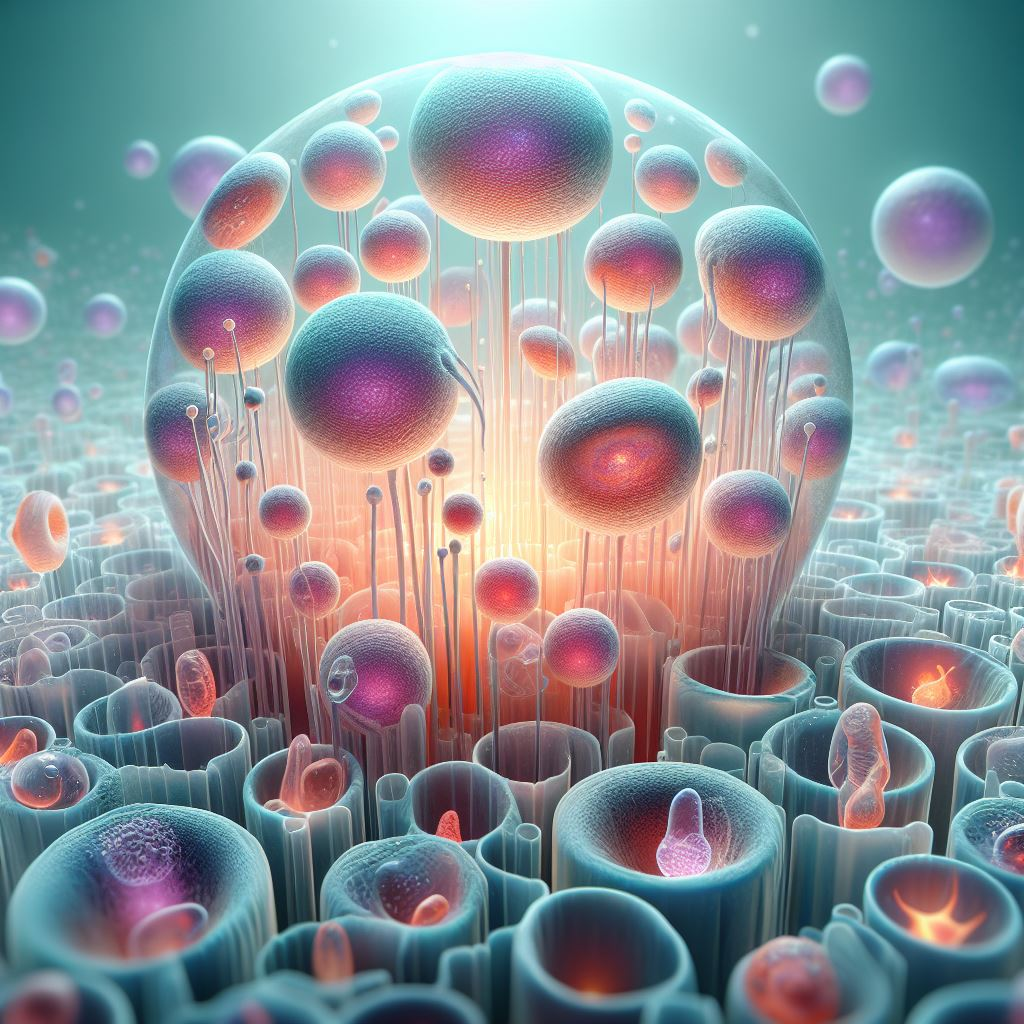
In summary, stem cells are not just another research tool; they are a pivotal element of advanced medical therapies and biological research that promise to revolutionize healthcare. Their ability to become any type of cell that the body needs positions them at the forefront of medical research, holding the key to unlocking the full potential of regenerative medicine.
 AI Riese
[…] What are stem cells, and why are they important? […]
LikeLike