
fields that have become increasingly intertwined. As we delve deeper into the potential of stem cells, biotechnology companies are at the forefront, developing innovative technologies and techniques that could potentially revolutionize treatments for various diseases and conditions. This article provides a comprehensive overview of how biotechnology is influencing stem cell research, detailing the technological breakthroughs, challenges, and ethical dilemmas that shape this fascinating area of science.
Understanding Stem Cells: The Building Blocks of Therapy
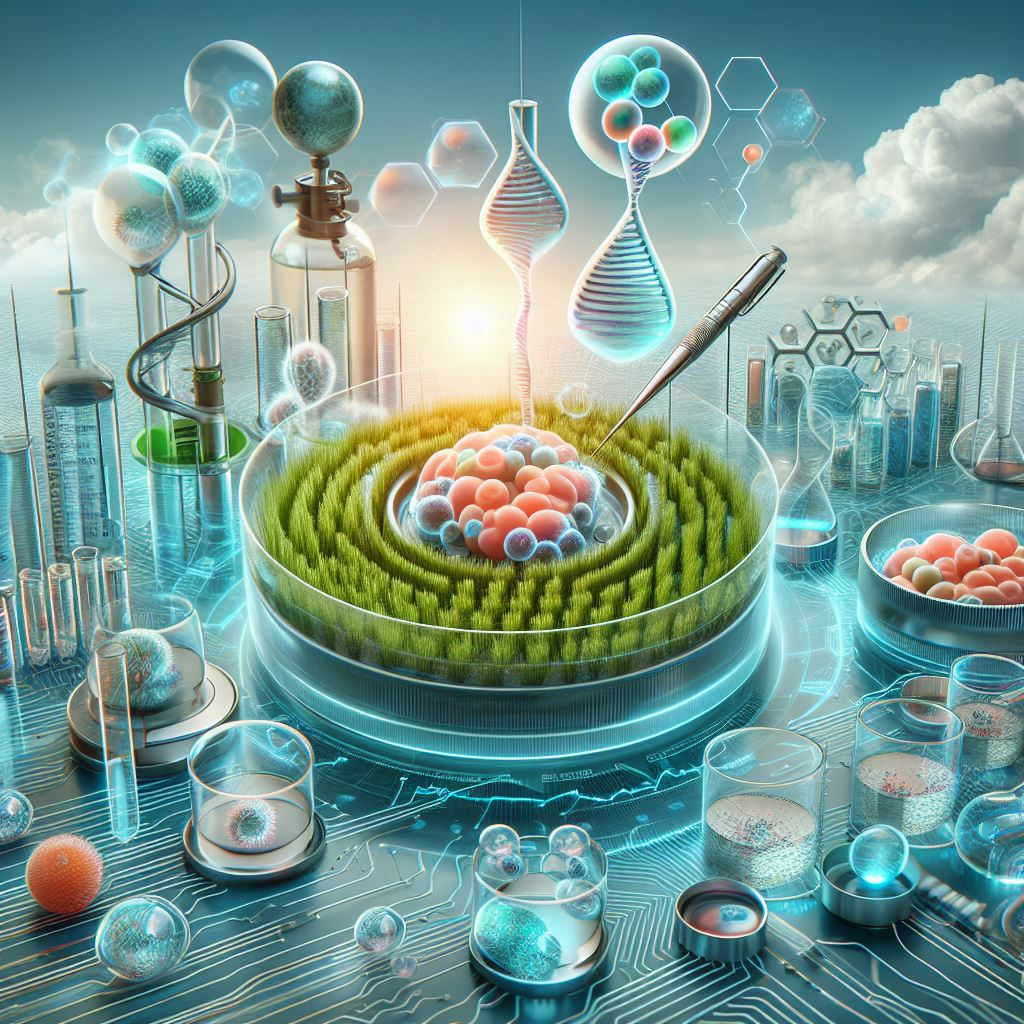
Stem cells are unique in their ability to develop into different types of cells in the body, offering a renewable source for repairing and replacing damaged tissues. Biotech advancements have significantly enhanced our understanding and utilization of these potent cells.
The Role of Biotechnology in Stem Cell Research
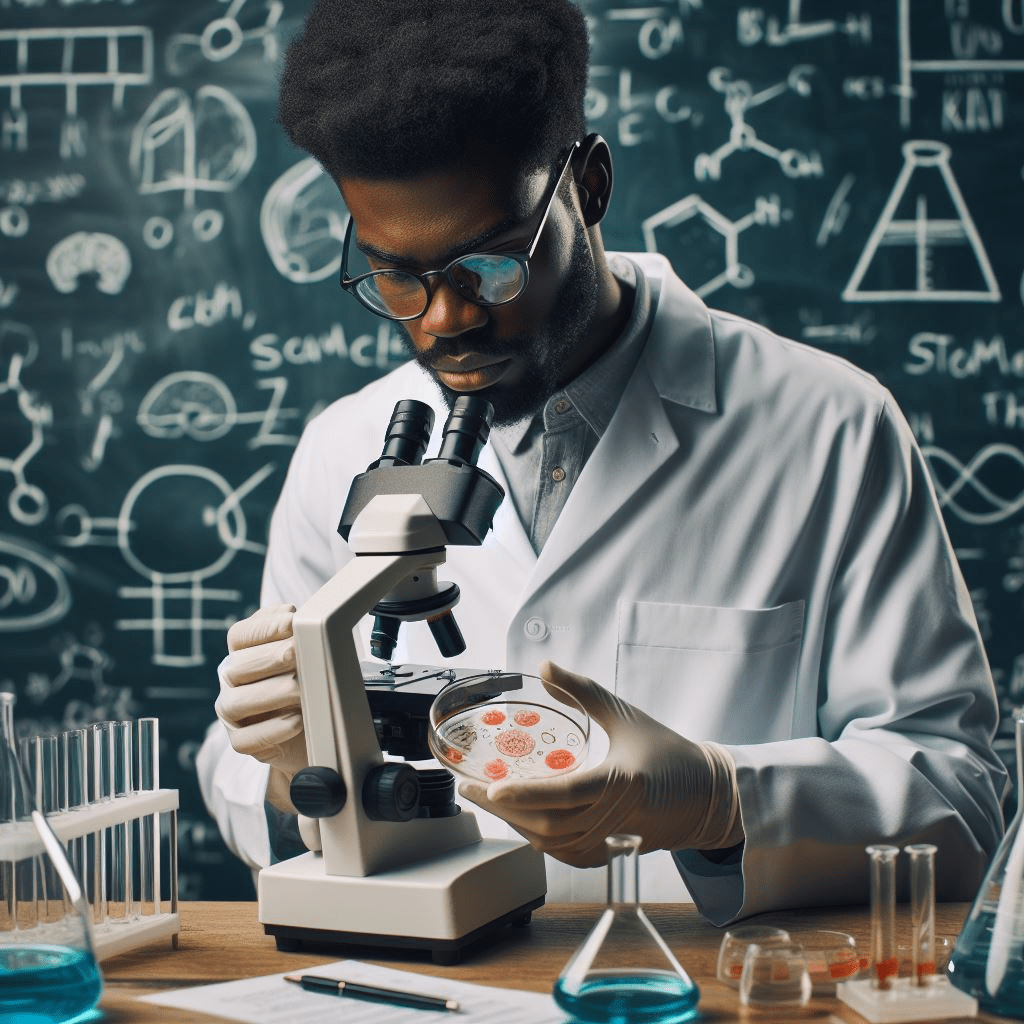
Biotechnology uses biological processes, organisms, or systems to manufacture products intended to improve the quality of human life. In stem cell research, biotechnology provides the tools and technologies necessary to manipulate, store, and replicate stem cells, thus opening new avenues for medical treatments.
Advancements in Stem Cell Technology
- CRISPR-Cas9 and Gene Editing:
- Revolutionizing precision in stem cell manipulation
- Potential for curing genetic disorders
- 3D Bioprinting of Stem Cells:
- Innovations in creating tissue constructs
- Implications for organ transplantation and repair
- Induced Pluripotent Stem Cells (iPSCs):
- Reprogramming adult cells to a pluripotent state
- Ethical advantages over embryonic stem cells
Biotech Companies Leading Stem Cell Innovations
Highlighting the key players in the industry, their research focus, and how they are pushing the boundaries of what’s possible with stem cell therapies.
Clinical Trials and Stem Cell Therapies
Discussing current clinical trials involving stem cell therapies, including success stories, setbacks, and the road ahead.
Ethical, Legal, and Social Implications
The ethical debates surrounding stem cell research, particularly concerning embryonic stem cells, and how biotech companies navigate these complex issues.
Funding and Investment in Stem Cell Research
How investments are driving innovations in stem cell research, with insights into venture capital trends, government funding, and public-private partnerships.
Global Impact and Regulatory Environment
Examining how different countries approach stem cell research, including regulatory frameworks and international collaborations.
Patient Stories: Transforming Lives Through Stem Cell Therapies
Personal accounts of how stem cell therapies have impacted individuals with chronic diseases or injuries.
The Future of Stem Cell Research in Biotech
Predictions and expert opinions on the next frontiers in stem cell research, including artificial intelligence and machine learning applications.
Challenges Facing Stem Cell Biotechnology
Addressing the technical, ethical, and commercial challenges that stem cell biotechnologies face today.
Public Perception and Education on Stem Cells
How public understanding of stem cells affects research funding, policy-making, and clinical adoption.
Biotech’s Role in Personalized Medicine
The potential for stem cell research to lead to highly personalized medical therapies tailored to individual genetic profiles.
Stem Cell Biotechnology: A Tool for Drug Discovery and Development
How stem cells are used for drug testing and development, reducing reliance on animal testing and improving drug efficacy and safety.
FAQs
- What are stem cells, and why are they important?
- How does biotechnology enhance stem cell research?
- What are the major ethical concerns in stem cell research?
- Can stem cell therapies cure cancer?
- What are induced pluripotent stem cells, and how are they different from embryonic stem cells?
- How can someone participate in a stem cell clinical trial?

